Coastal Living | September 7, 2026
The first big gale of the season always catches someone out. It might be a boat owner who has not checked a mooring since September, or a newcomer who has never heard the particular roar the wind makes when it comes over the headland at speed. The rest of us hear it and start moving. Storm season on this coast is not a surprise. It is a calendar entry, and the preparations are as much a part of the year as the summer regatta.
What outsiders rarely understand is how much of storm prep is social. Yes, there are physical tasks: doubling lines, clearing drains, moving planters and bins inside, checking that the boat covers are secure. But the real work is the round of phone calls and doorsteps. Does the elderly neighbor up the lane have her prescriptions? Does the family at the end of the row have a working torch? Who is checking on the holiday cottage whose owners are away? The list is informal and it is thorough, and it gets updated every time the forecast turns.
The Geography of a Gale
Wind on this coast is not evenly distributed. It funnels down the gaps in the headland and hits certain streets harder than others. Longtime residents know which corners are dangerous in a westerly and which are sheltered. They know that the harbor wall is not a place to stand for a photograph when the swell is running, no matter how dramatic the spray looks. They know which roads flood first and which trees are most likely to come down. This knowledge is not written anywhere official. It lives in the heads of people who have watched a few decades of weather, and it is passed along the way most local knowledge is passed along: in conversation, over time.
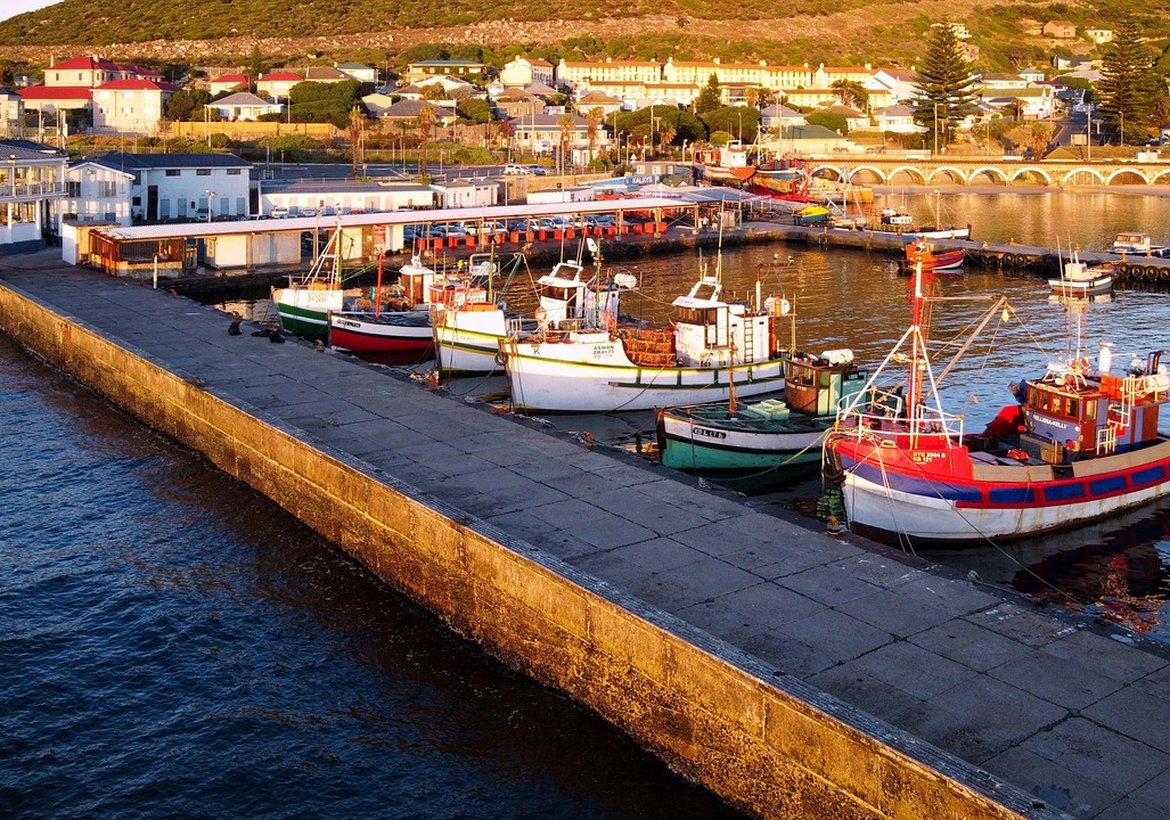
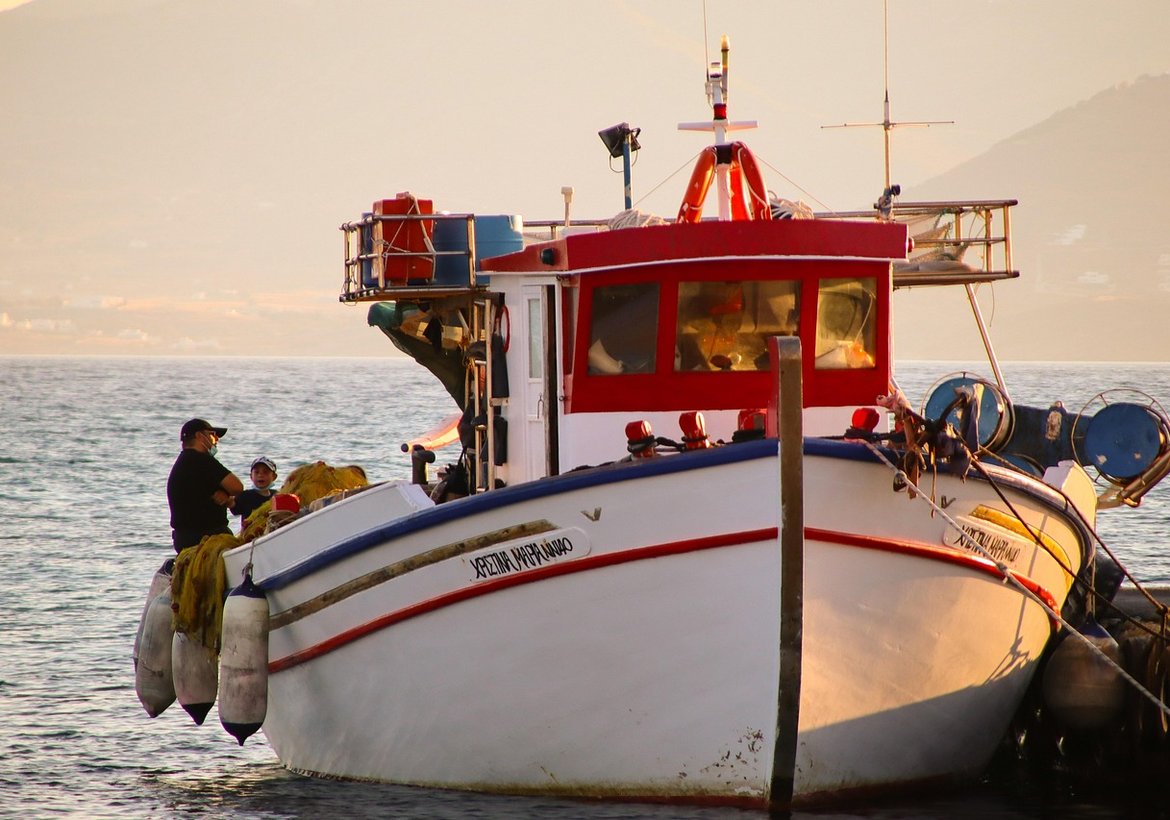
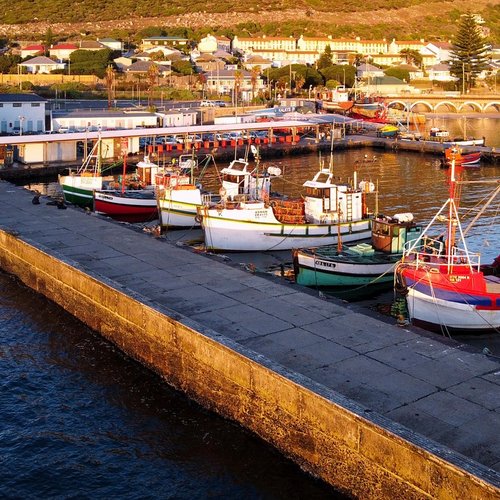
The boats come first. Anyone with a mooring knows the drill, and the harbor empties of small craft as owners haul out or move to sheltered berths. The fishing fleet watches the forecast with professional attention. A skipper who misreads a gale does not just risk a boat; he risks the people aboard, and everyone on the pier knows it. The decision to stay in or go out is made carefully, and it is respected either way.
Then there is the quiet work of the days after. Storms leave debris on the roads and seaweed on the promenade and sometimes damage that takes weeks to sort out. The cleanup is not a single event. It is a long, unglamorous process of chainsaws and trailers and cups of tea, and it is done by the same people who did the preparation, because they are the same people who live here.
Neighborliness as Infrastructure
I have come to think of storm season as the time when the town's real infrastructure becomes visible. Not the sea walls, though those matter. The other kind. The network of people who know each other's names and doorbell habits and vulnerabilities. That network does not appear in any budget, and it cannot be replaced by an app or an alert system. It is built slowly, in ordinary weather, so that it is there when the ordinary weather stops.
If you are new to the coast, storm season is the best time to become a neighbor. Knock on a door. Offer to help move something heavy. Ask what you should do about your own place. You will get more useful advice in one afternoon than a year of reading. And when the next gale comes over the headland, you will hear the roar and know exactly who to call, and who will be calling you. That is what it means to live here. The weather is the test. The neighbors are the answer.


























Forget the tourist menus — these are the places where Harrow Bay residents actually eat.
Alice Rose
Aug 28, 2026 at 3:12 pm