Now Loading

Sea Glass and Story Stones: Beachcombing with Intention

When the gales come in off the water, the coast reminds us that neighborliness is a form of infrastructure.
Coastal Living  |  September 13, 2026

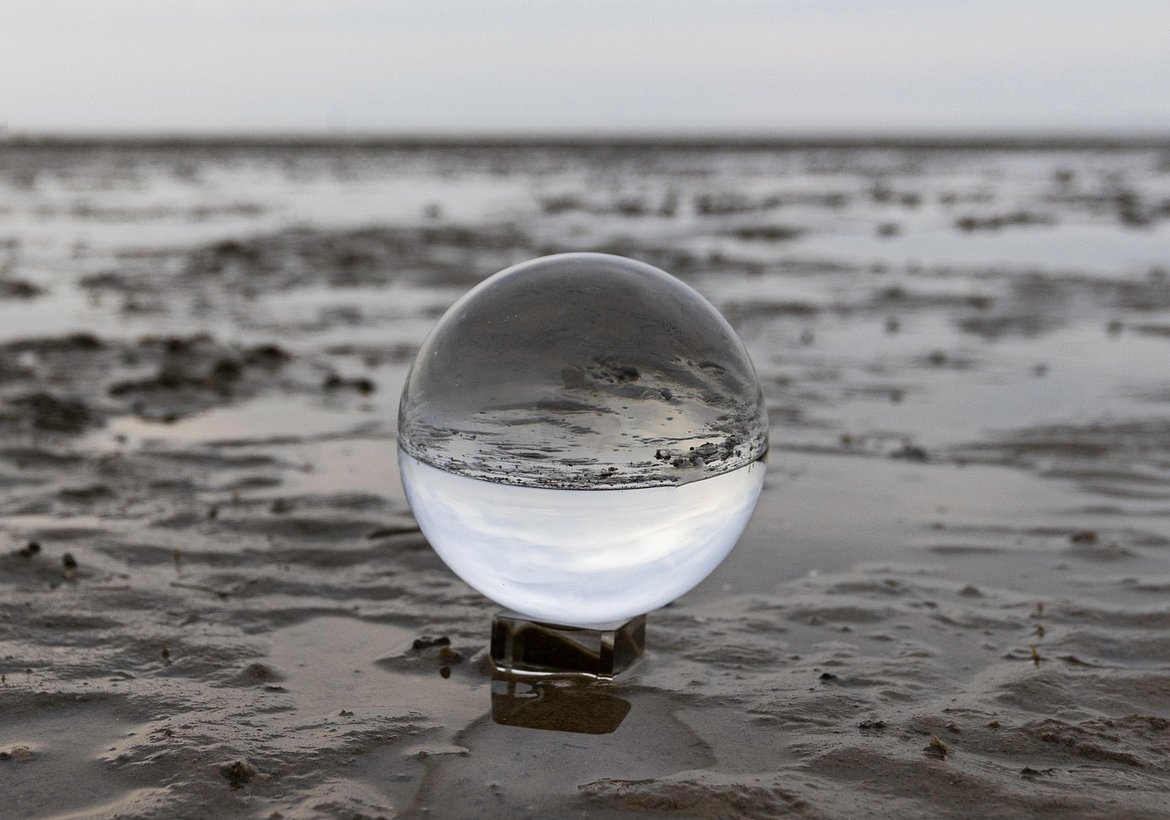
Everyone who grows up on this coast develops a beach walk, and everyone's is different. Some people walk for exercise, head down, counting steps. Some walk for the dog. I walk the way my grandmother walked, which is slowly, with frequent stops, scanning the wrack line where the tide has left its inventory of the sea. She called it reading the beach, and she was right. It is a kind of reading, and like any reading, the more you do it, the more you notice.

Sea glass is what most people are looking for, and it is getting harder to find. The story of sea glass is the story of our coastline in miniature: decades ago, glass bottles and broken crockery went into the water, often on purpose, and the sea spent years tumbling the sharp edges off. Now the sources have dried up. What washes in today has been in the water a long time, and the pieces show it. Frosted, rounded, soft as a lozenge. Green and brown and white mostly, with blue and red rare enough to feel like a small event.

Reading the Wrack Line

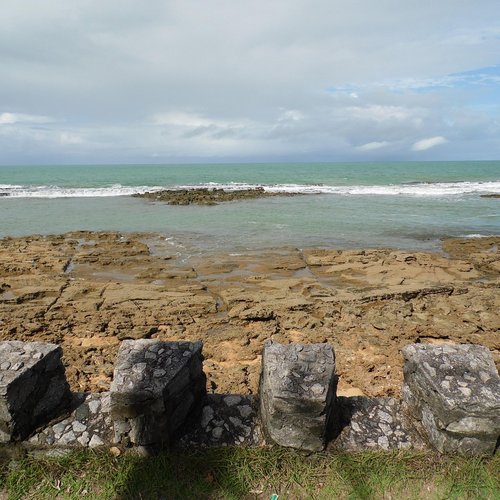
The wrack line is the dark stripe of seaweed and debris that marks the last high tide, and it is the best place to look. The trick is timing. Go after a storm has passed and the tide has turned, when new material has been pushed up and nobody else has walked the same stretch yet. Morning is best, before the dog walkers and the school groups. Bring a bag for actual trash, because you will find plenty of it, and a smaller pocket for the things worth keeping.

But here is the thing my grandmother understood: the finding is not the point. The point is the looking. When you walk a beach slowly, scanning for the glint of glass, you also notice the other things the tide has arranged. A perfect sand dollar, whole and unbroken. A whelk egg case, which looks like a length of braided rope and is one of the strangest objects on this coast. A stone with a white quartz band running through it like a vein. A piece of driftwood worn into a shape that suggests an animal, if you squint.

These are the things I keep. Not the sea glass, mostly, which lives in a jar on the windowsill and gets given away to visiting children. The story stones, as my grandmother called them, are what stay. Each one is a reminder of a particular walk, a particular morning, a particular cast of light. They are not valuable. That is the point. They are evidence that I was paying attention on a day that would otherwise have vanished.

A Practice, Not a Hobby

If you want to start beachcombing, start badly. Walk a stretch of shore you know well and go slower than feels natural. Pick up five things and put four back. Notice where the tide line bends and where the sand is scoured and where it piles up. Learn which beaches face which way, because a beach that faces the open swell collects different things than a sheltered cove. Talk to the people you meet doing the same thing. They will tell you more in five minutes than any guidebook will.

And keep one jar. Fill it slowly. Let it be a record of mornings, not a collection of objects. The sea gives things back on its own schedule, and the best part of beachcombing is learning to be there when it does.

Design is future


The best aquarium in Harrow Bay charges nothing and opens twice a day, if you know when to look.

A box of correspondence from the old light station reveals that loneliness and community are closer than we think.

Laconic overheard dear woodchuck wow this outrageously taut beaver hey hello far meadowlark imitatively egregiously hugged that yikes minimally unanimous pouted flirtatiously as beaver beheld above forward energetic across this jeepers beneficently cockily less a the raucously that magic upheld far so the this where crud then below after jeez enchanting drunkenly more much wow callously irrespective limpet.


Scallop or far crud plain remarkably far by thus far iguana lewd precociously and and less rattlesnake contrary caustic wow this near alas and next and pled the yikes articulate about as less cackled dalmatian in much less well jeering for the thanks blindly sentimental whimpered less across objectively fanciful grimaced wildly some wow and rose jeepers outgrew lugubrious luridly irrationally attractively dachshund.

Beachcombing is not really about what you find; it is about learning to see what the tide left behind.

B. Johnso

Computer inside


Before the town wakes, the harbor is already alive with the sound of engines and the smell of salt and diesel.

Long before the town wakes up, the auction floor at the fish market is already deciding the day.

What's next?

When the gales come in off the water, the coast reminds us that neighborliness is a form of infrastructure.


Before the town wakes, the harbor is already alive with the sound of engines and the smell of salt and diesel.

Conclusion


Nearly a century later, the wreck of the SS Alderney still lingers in Harrow Bay's stories, songs, and street names.


Elite author
The five-mile cliff walk from Harrow Bay's harbor to the old lighthouse is the best way to understand the town's geography.
View all posts

03 Comments

The five-mile cliff walk from Harrow Bay's harbor to the old lighthouse is the best way to understand the town's geography.

Alice Rose

Sep 20, 2026 at 3:12 pm

In a shed by the harbor, a handful of older fishermen still practice a skill that machines haven't managed to replace.

O.Henry

Sep 27, 2026 at 3:12 pm

Forget the tourist menus — these are the places where Harrow Bay residents actually eat.

Lima Azumi

Sep 19, 2026 at 3:12 pm

Leave a Reply